Sagres, Portugal: At the Edge of the Earth, Where the Sea Speaks

At the southwestern tip of Portugal, where the land breaks into cliffs and the Atlantic roars against the rocks, lies Sagres—a rugged, wind-swept village that once marked the end of the known world. Unlike the polished towns of the central Algarve, Sagres feels wild and untamed, steeped in history and wrapped in a sense of mystery that still lingers in the sea air.

For travelers drawn to dramatic landscapes, ancient maritime lore, and quiet reflection, Sagres delivers. And at the heart of its power are three unique landmarks that tell a deeper story: the Sagres Fortress, the Farol da Vila de Sagres, and A Voz do Mar—the Voice of the Sea.

Standing guard on a windswept headland, the Sagres Fortress (Fortaleza de Sagres) is more than just a fort—it’s a symbol of Portugal’s Golden Age of Exploration. Built in the 15th century, this fortress was a strategic defense post and the legendary site of Prince Henry the Navigator’s School of Navigation, where explorers were trained and world-changing voyages were imagined.

Walking through the fortress gates, you’re stepping into a place that shaped history. Inside, you’ll find:

  • The iconic wind compass (Rosa dos Ventos)—a massive stone circle believed to be used for navigational training.
  • The Chapel of Nossa Senhora da Graça, perched quietly on the cliff edge.
  • Sweeping clifftop trails, offering panoramic views of the crashing Atlantic.

The feeling here is profound—especially at sunset, when the golden light bathes the stone walls and the endless sea glows beneath you.

Just beyond the fortress walls stands the Sagres Lighthouse (Farol da Vila de Sagres)—a silent sentinel that continues to guide ships safely through one of the most challenging stretches of Atlantic coastline.

While not as tall or famous as nearby Cabo de São Vicente’s lighthouse, this local beacon is powerful in its simplicity. The structure is modest, but the setting is extraordinary. Waves crash far below, seabirds soar overhead, and the wind hums with intensity. If you’re lucky enough to be there when the light flickers on, it feels like you’re watching the pulse of maritime life itself.

One of the most haunting and poetic experiences in Sagres is found just beyond the lighthouse: A Voz do Mar, or The Voice of the Sea. This art installation is not immediately obvious—but once you find it, it stays with you.
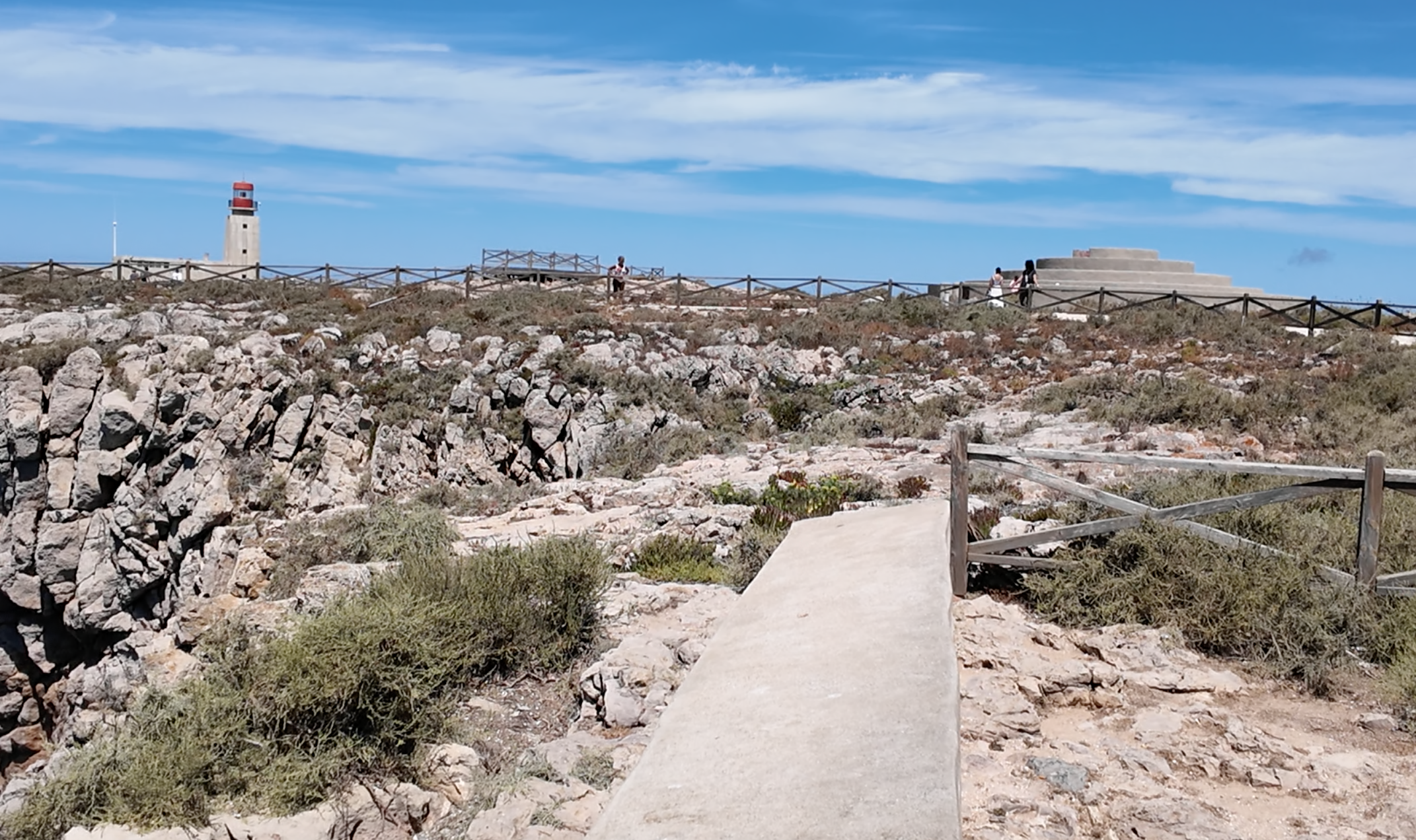
Designed as a series of subterranean holes and pipes carved into the cliff, the installation captures the sound of the ocean beneath. As waves crash into the rocks far below, the air is pushed through these openings and escapes in an eerie, echoing roar—a deep breath of the Atlantic itself.

You don’t just hear the sea here—you feel it. It moans, it hums, it whispers and bellows. Some describe it as the Earth speaking; others say it’s the sea singing. Either way, it’s unforgettable.
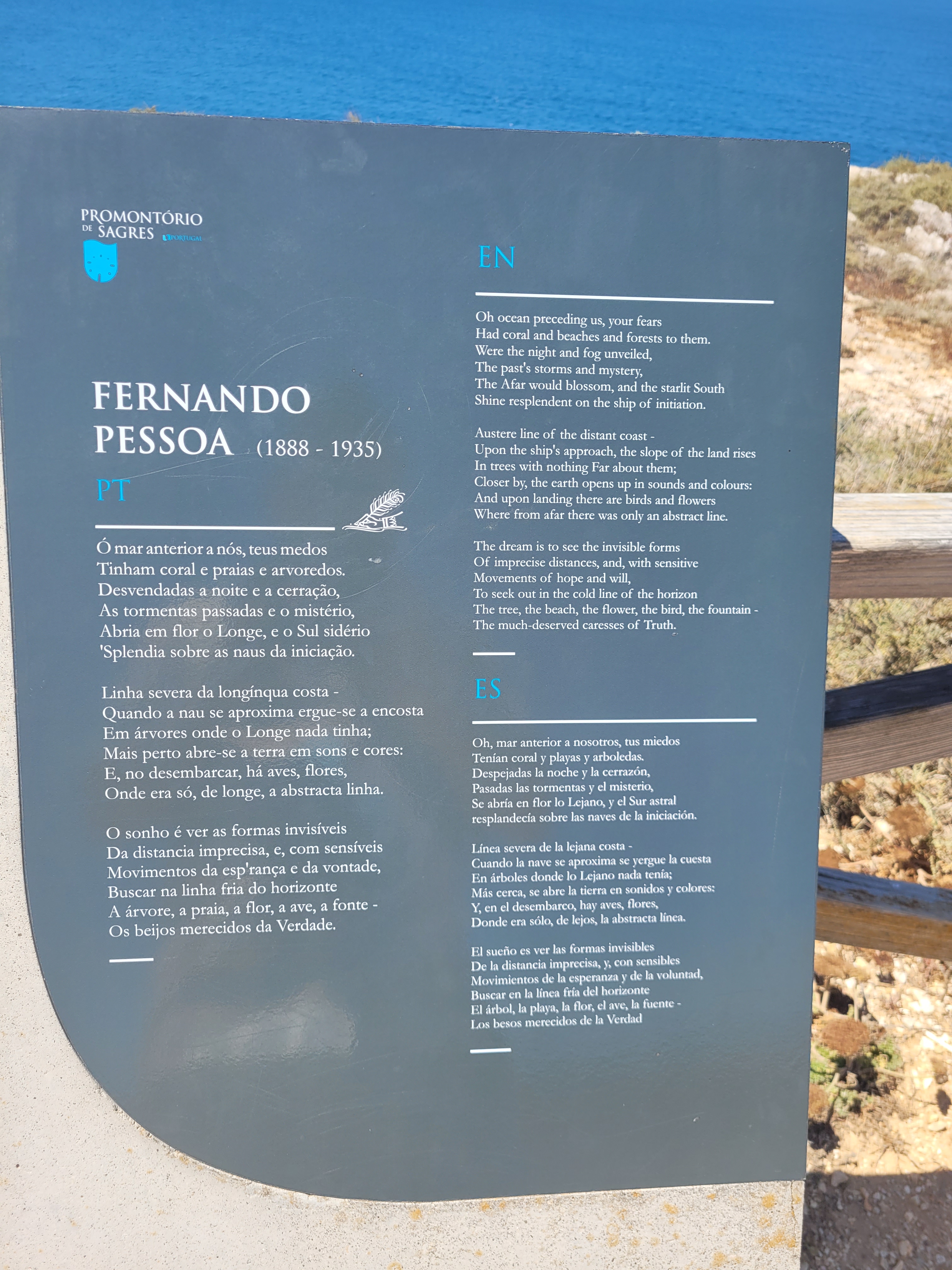
Sagres is not a place of flash or frills—it’s a place of raw beauty, deep silence, and powerful connection. The fortress reminds you of human ambition. The lighthouse speaks of resilience. And the Voice of the Sea? That speaks to something deeper—a rhythm older than time.

This is where explorers once stood, peering into the unknown. Where wind and waves shape the land and your thoughts. Where every moment feels elemental.

Lisbon Unfolded: Where History Rides the Hills and the River Sings

Lisbon, the sun-kissed capital of Portugal, is a city that wears its history proudly. Cobbled streets climb and dip across seven hills, yellow trams rattle past azulejo-covered walls, and the scent of baked custard tarts mingles with Atlantic breeze. But what makes Lisbon truly special is how effortlessly the past and present coexist from ancient maritime monuments to rooftop viewpoints packed with sunset-chasers.

Rising from the edge of the Tagus River like a stone sentinel, Torre de Belém is one of Lisbon’s most recognizable landmarks, and a proud symbol of Portugal’s Age of Discoveries.

Built in the early 16th century as both a fortress and ceremonial gateway, Belém Tower once greeted ships embarking on journeys to the New World. Its Manueline architecture, with ornate stonework shaped like ropes, crosses, and sea creatures, speaks to the maritime power Portugal once held.

Wander its narrow spiral staircases, stand where explorers once looked out to sea, and you’ll feel the pulse of Lisbon’s golden era. After your visit, walk along the riverside to explore the Monument to the Discoveries and Jerónimos Monastery, both just minutes away and equally steeped in seafaring history.

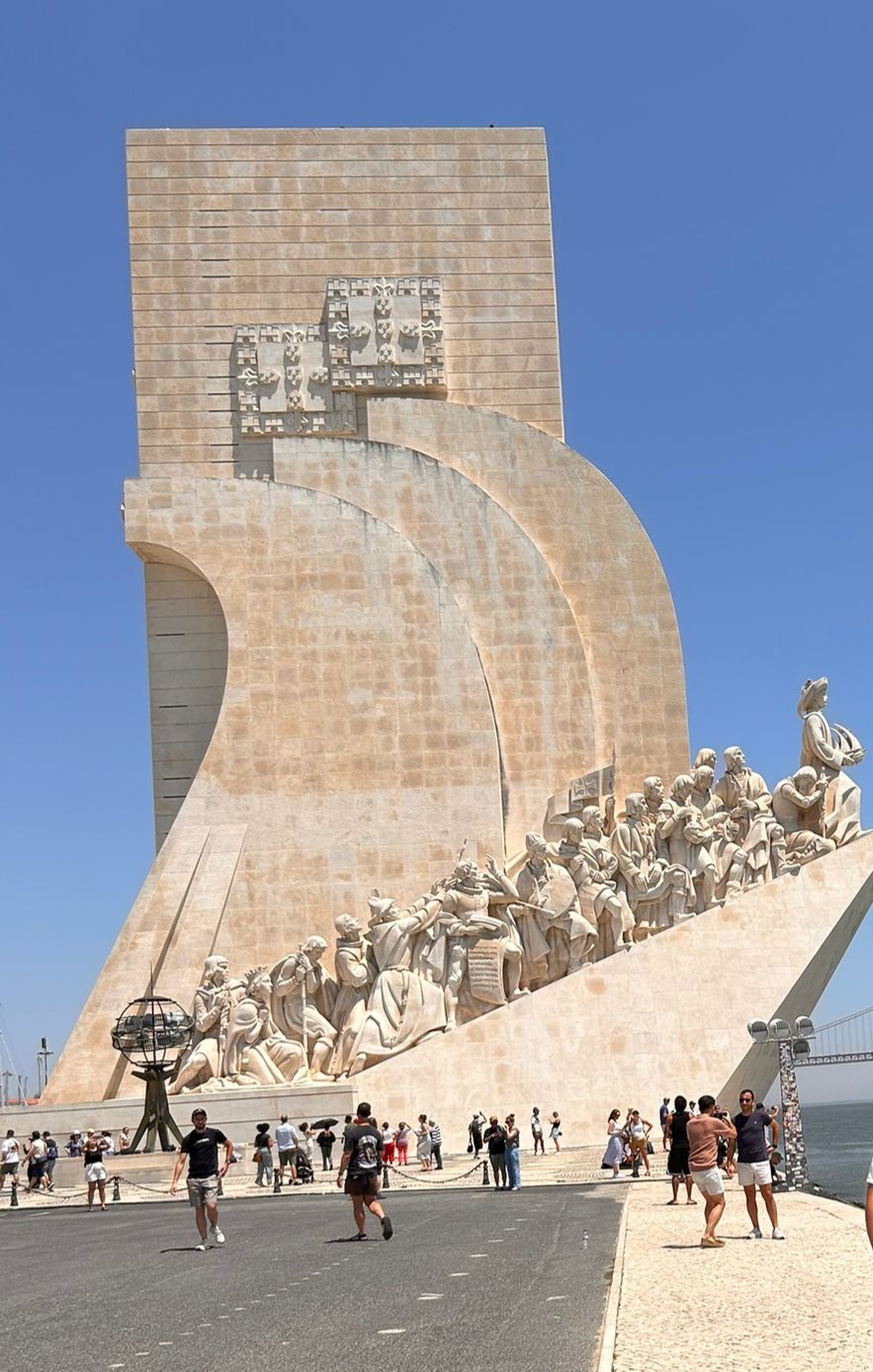
Located on the banks of the Tagus River in Belém, the Monument to the Discoveries honors the Portuguese explorers and visionaries of the Age of Discovery during the 15th and 16th centuries.

Shaped like a ship’s prow, the monument was originally built in 1940 (rebuilt in stone in 1960) to commemorate 500 years since the death of Prince Henry the Navigator, who stands proudly at the front holding a ship.

Behind him, 33 figures including explorers, cartographers, scientists, and artists like Vasco da Gama, Ferdinand Magellan, and Luís de Camões are carved in dramatic formation, symbolizing Portugal’s role in navigating and mapping the unknown world.

Lisbon is a city of views, and one of the most beloved is the Miradouro de Santa Catarina. Tucked above the Cais do Sodré neighborhood, this relaxed viewpoint isn’t just about the scenery, it’s about the vibe.

If Lisbon had a front door, it would be Praça do Comércio. This vast, elegant square opens directly onto the Tagus and is flanked by yellow arcaded buildings that once housed government offices of the Portuguese empire.

Walk under the Arco da Rua Augusta to reach the pedestrian shopping street that leads to downtown Baixa. But before that, pause in the square to admire the symmetry, the statue of King José I on horseback, and the sea breeze that still feels like the breath of history.

Once the site of the royal palace and a thriving port, this plaza remains the heart of Lisbon, welcoming travelers for centuries.

Rattling its way through steep hills and narrow alleys, Tram 28 is more than public transport, it’s a ride through Lisbon’s living museum.

The wooden trams date back to the early 1900s and the route winds through the city’s most charming neighborhoods: Graca, Alfama, Baixa, Chiado, and Estrela. Each corner offers a glimpse of daily life, Gothic cathedrals, tile-covered facades, and locals leaning out of windows.

Even if you don’t ride the whole route, hopping on Tram 28 is a must-do experience that captures Lisbon’s nostalgic spirit.

Viva Viagem Card: Buy one at any metro station and top it up. It works across all transport modes and saves you money.

Public transport in Lisbon isn’t just about convenience, it’s part of the city’s charm. Every ride feels like a peek into Lisbon’s everyday rhythm.

Lisbon is a city that reveals itself in layers through its tiled walls, crumbling alleys, grand squares, and sunlit riverbanks. Whether you’re riding a century-old tram, watching the sea from a medieval tower, or sipping a coffee above the rooftops, the feeling is always the same: you’re part of something timeless.

So, don’t rush. Wander. Ride. Listen.