Sagres, Portugal: At the Edge of the Earth, Where the Sea Speaks

At the southwestern tip of Portugal, where the land breaks into cliffs and the Atlantic roars against the rocks, lies Sagres—a rugged, wind-swept village that once marked the end of the known world. Unlike the polished towns of the central Algarve, Sagres feels wild and untamed, steeped in history and wrapped in a sense of mystery that still lingers in the sea air.

For travelers drawn to dramatic landscapes, ancient maritime lore, and quiet reflection, Sagres delivers. And at the heart of its power are three unique landmarks that tell a deeper story: the Sagres Fortress, the Farol da Vila de Sagres, and A Voz do Mar—the Voice of the Sea.

Standing guard on a windswept headland, the Sagres Fortress (Fortaleza de Sagres) is more than just a fort—it’s a symbol of Portugal’s Golden Age of Exploration. Built in the 15th century, this fortress was a strategic defense post and the legendary site of Prince Henry the Navigator’s School of Navigation, where explorers were trained and world-changing voyages were imagined.

Walking through the fortress gates, you’re stepping into a place that shaped history. Inside, you’ll find:

  • The iconic wind compass (Rosa dos Ventos)—a massive stone circle believed to be used for navigational training.
  • The Chapel of Nossa Senhora da Graça, perched quietly on the cliff edge.
  • Sweeping clifftop trails, offering panoramic views of the crashing Atlantic.

The feeling here is profound—especially at sunset, when the golden light bathes the stone walls and the endless sea glows beneath you.

Just beyond the fortress walls stands the Sagres Lighthouse (Farol da Vila de Sagres)—a silent sentinel that continues to guide ships safely through one of the most challenging stretches of Atlantic coastline.

While not as tall or famous as nearby Cabo de São Vicente’s lighthouse, this local beacon is powerful in its simplicity. The structure is modest, but the setting is extraordinary. Waves crash far below, seabirds soar overhead, and the wind hums with intensity. If you’re lucky enough to be there when the light flickers on, it feels like you’re watching the pulse of maritime life itself.

One of the most haunting and poetic experiences in Sagres is found just beyond the lighthouse: A Voz do Mar, or The Voice of the Sea. This art installation is not immediately obvious—but once you find it, it stays with you.
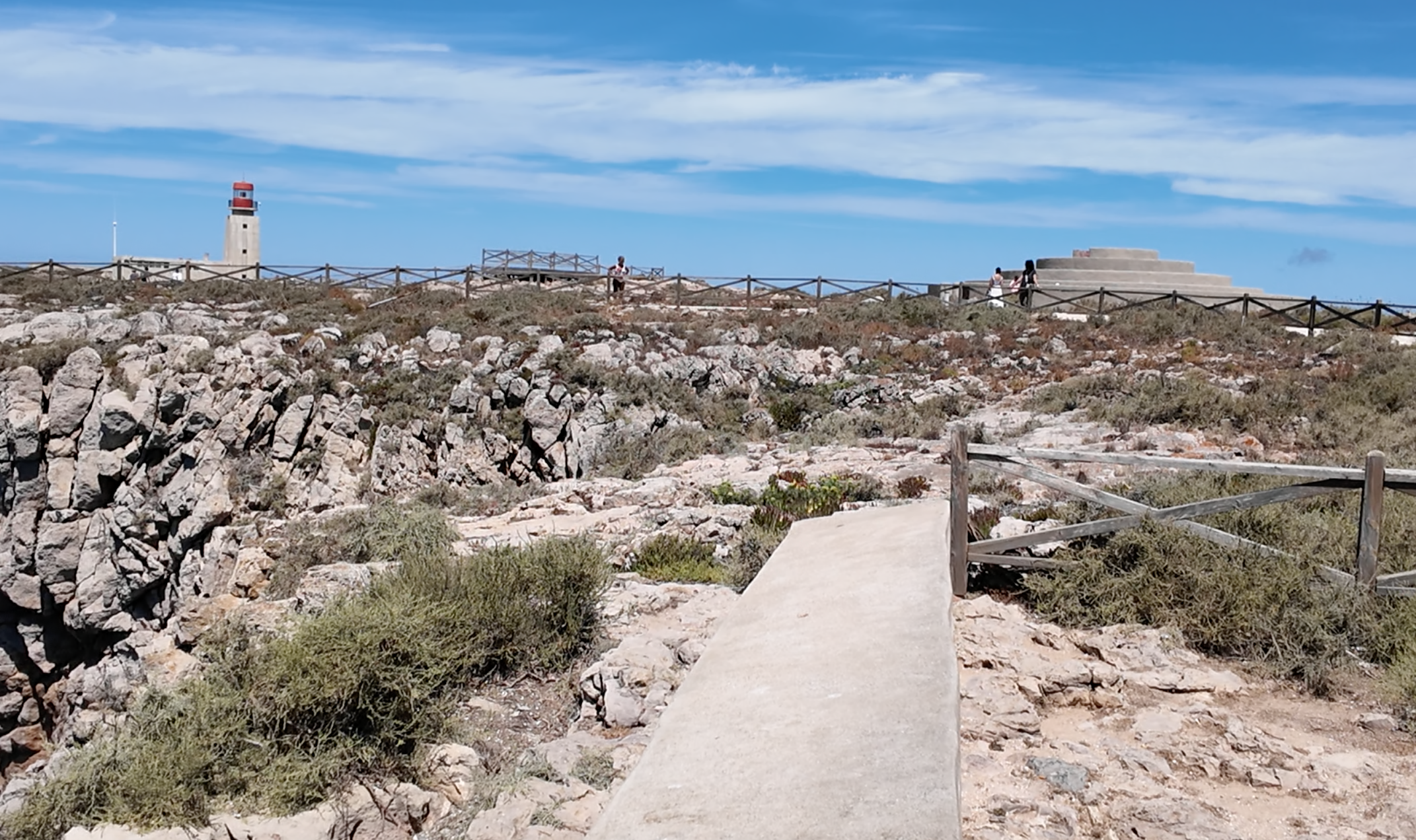
Designed as a series of subterranean holes and pipes carved into the cliff, the installation captures the sound of the ocean beneath. As waves crash into the rocks far below, the air is pushed through these openings and escapes in an eerie, echoing roar—a deep breath of the Atlantic itself.

You don’t just hear the sea here—you feel it. It moans, it hums, it whispers and bellows. Some describe it as the Earth speaking; others say it’s the sea singing. Either way, it’s unforgettable.
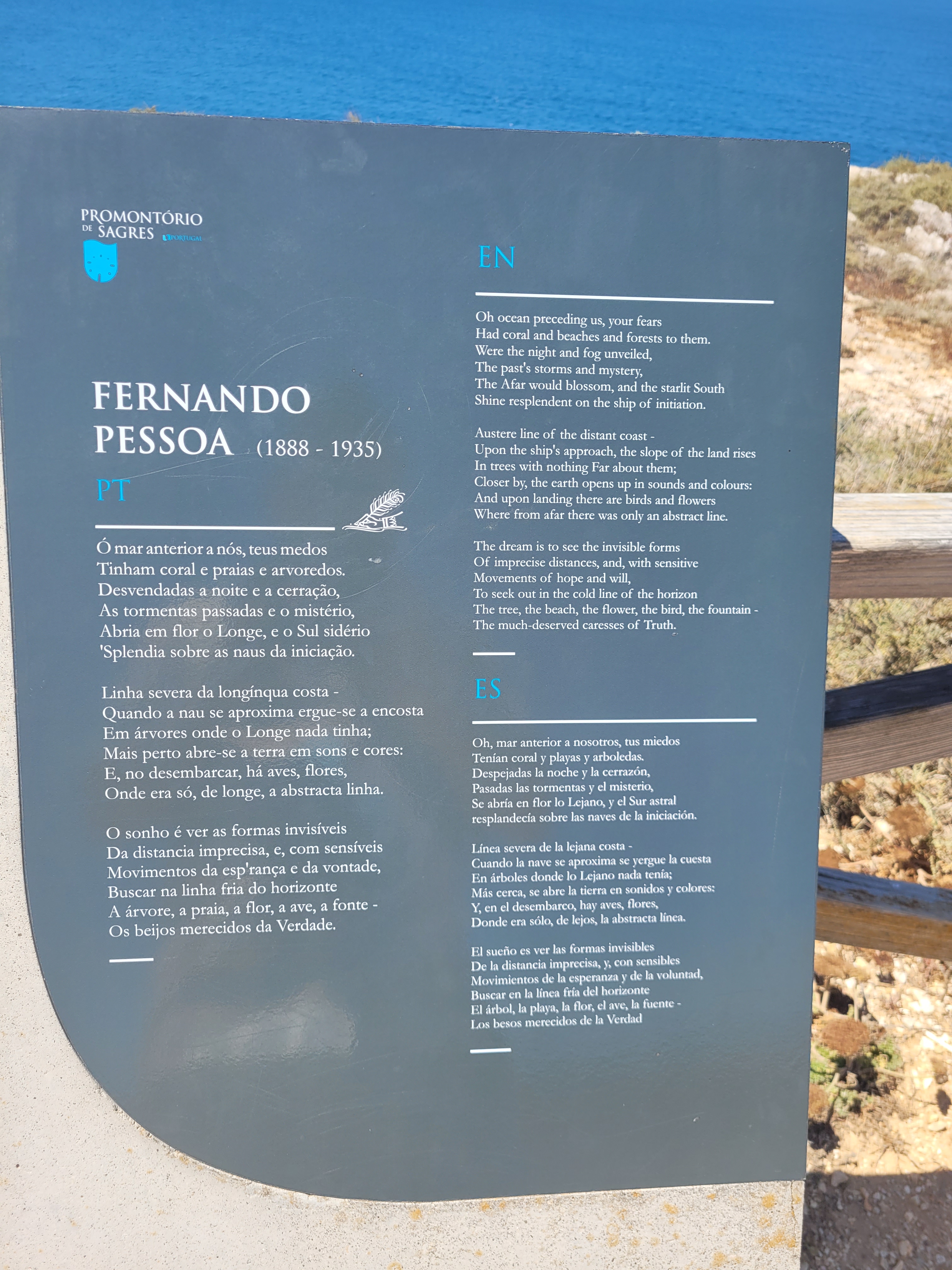
Sagres is not a place of flash or frills—it’s a place of raw beauty, deep silence, and powerful connection. The fortress reminds you of human ambition. The lighthouse speaks of resilience. And the Voice of the Sea? That speaks to something deeper—a rhythm older than time.

This is where explorers once stood, peering into the unknown. Where wind and waves shape the land and your thoughts. Where every moment feels elemental.

Lisbon Unfolded: Where History Rides the Hills and the River Sings

Lisbon, the sun-kissed capital of Portugal, is a city that wears its history proudly. Cobbled streets climb and dip across seven hills, yellow trams rattle past azulejo-covered walls, and the scent of baked custard tarts mingles with Atlantic breeze. But what makes Lisbon truly special is how effortlessly the past and present coexist from ancient maritime monuments to rooftop viewpoints packed with sunset-chasers.

Rising from the edge of the Tagus River like a stone sentinel, Torre de Belém is one of Lisbon’s most recognizable landmarks, and a proud symbol of Portugal’s Age of Discoveries.

Built in the early 16th century as both a fortress and ceremonial gateway, Belém Tower once greeted ships embarking on journeys to the New World. Its Manueline architecture, with ornate stonework shaped like ropes, crosses, and sea creatures, speaks to the maritime power Portugal once held.

Wander its narrow spiral staircases, stand where explorers once looked out to sea, and you’ll feel the pulse of Lisbon’s golden era. After your visit, walk along the riverside to explore the Monument to the Discoveries and Jerónimos Monastery, both just minutes away and equally steeped in seafaring history.

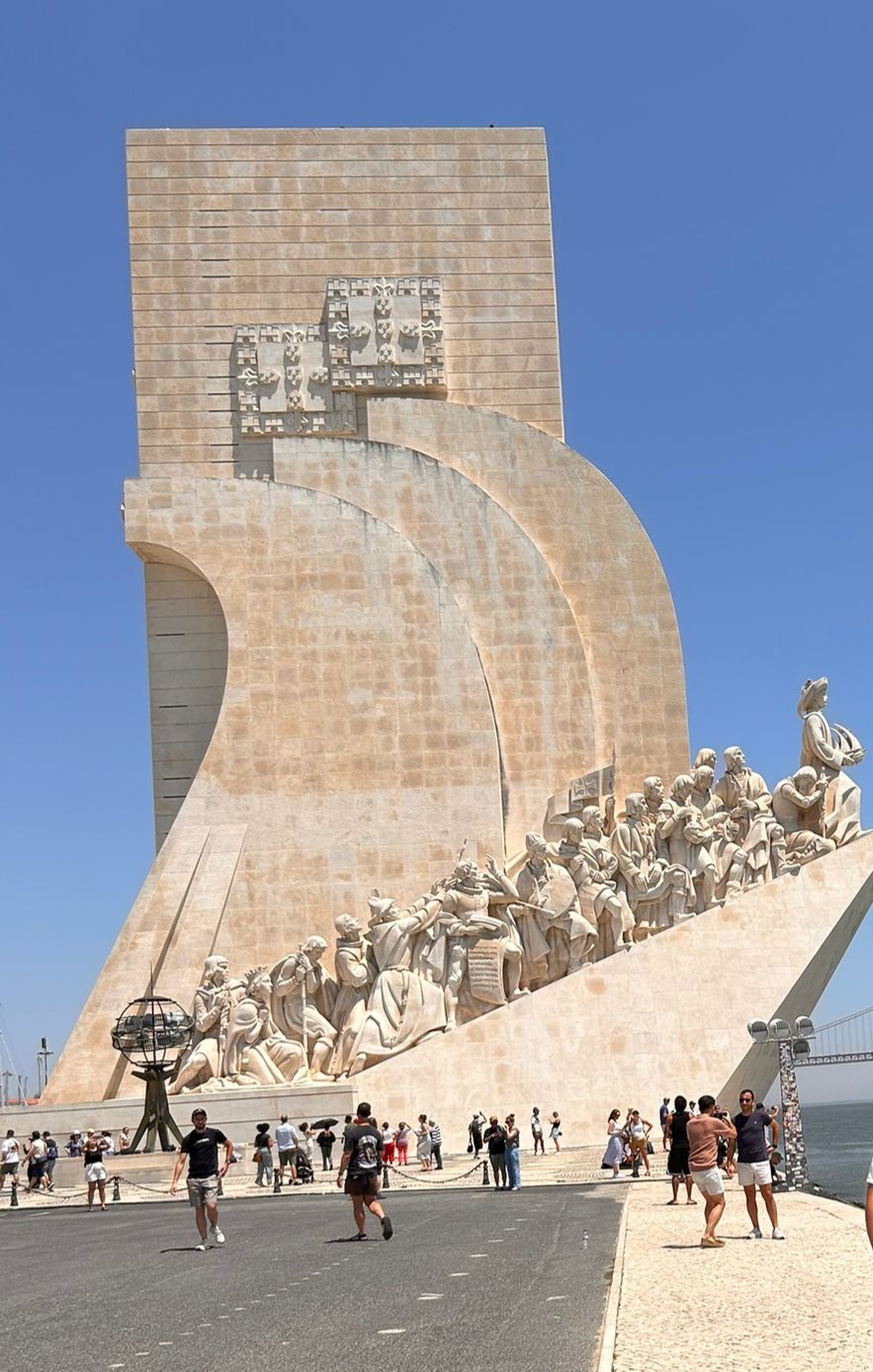
Located on the banks of the Tagus River in Belém, the Monument to the Discoveries honors the Portuguese explorers and visionaries of the Age of Discovery during the 15th and 16th centuries.

Shaped like a ship’s prow, the monument was originally built in 1940 (rebuilt in stone in 1960) to commemorate 500 years since the death of Prince Henry the Navigator, who stands proudly at the front holding a ship.

Behind him, 33 figures including explorers, cartographers, scientists, and artists like Vasco da Gama, Ferdinand Magellan, and Luís de Camões are carved in dramatic formation, symbolizing Portugal’s role in navigating and mapping the unknown world.

Lisbon is a city of views, and one of the most beloved is the Miradouro de Santa Catarina. Tucked above the Cais do Sodré neighborhood, this relaxed viewpoint isn’t just about the scenery, it’s about the vibe.

If Lisbon had a front door, it would be Praça do Comércio. This vast, elegant square opens directly onto the Tagus and is flanked by yellow arcaded buildings that once housed government offices of the Portuguese empire.

Walk under the Arco da Rua Augusta to reach the pedestrian shopping street that leads to downtown Baixa. But before that, pause in the square to admire the symmetry, the statue of King José I on horseback, and the sea breeze that still feels like the breath of history.

Once the site of the royal palace and a thriving port, this plaza remains the heart of Lisbon, welcoming travelers for centuries.

Rattling its way through steep hills and narrow alleys, Tram 28 is more than public transport, it’s a ride through Lisbon’s living museum.

The wooden trams date back to the early 1900s and the route winds through the city’s most charming neighborhoods: Graca, Alfama, Baixa, Chiado, and Estrela. Each corner offers a glimpse of daily life, Gothic cathedrals, tile-covered facades, and locals leaning out of windows.

Even if you don’t ride the whole route, hopping on Tram 28 is a must-do experience that captures Lisbon’s nostalgic spirit.

Viva Viagem Card: Buy one at any metro station and top it up. It works across all transport modes and saves you money.

Public transport in Lisbon isn’t just about convenience, it’s part of the city’s charm. Every ride feels like a peek into Lisbon’s everyday rhythm.

Lisbon is a city that reveals itself in layers through its tiled walls, crumbling alleys, grand squares, and sunlit riverbanks. Whether you’re riding a century-old tram, watching the sea from a medieval tower, or sipping a coffee above the rooftops, the feeling is always the same: you’re part of something timeless.

So, don’t rush. Wander. Ride. Listen.

Lagos, Portugal: Where Golden Cliffs and Hidden Caves Create Coastal Magic

Tucked along Portugal’s Algarve coast lies the vibrant town of Lagos, a place where dramatic cliffs drop into turquoise waters, boats weave through secret sea caves, and golden beaches unfold like scenes from a dream. While Lagos itself offers a charming old town, lively marina, and sun-soaked vibes, it’s the coastline that truly steals the show.

Two standout experiences define any trip to the region: basking in the beauty of Praia da Marinha and exploring the mystical Benagil Cave by boat. Together, they make Lagos and the surrounding area a must-visit for any ocean lover, adventurer, or seeker of natural wonder.

The best way to take it all in? Start at the top of the cliffs for a panoramic view—the kind that stops you in your tracks. Then, follow the winding steps down to the sand where you’ll find sheltered coves, gentle waves, and an almost meditative calm.

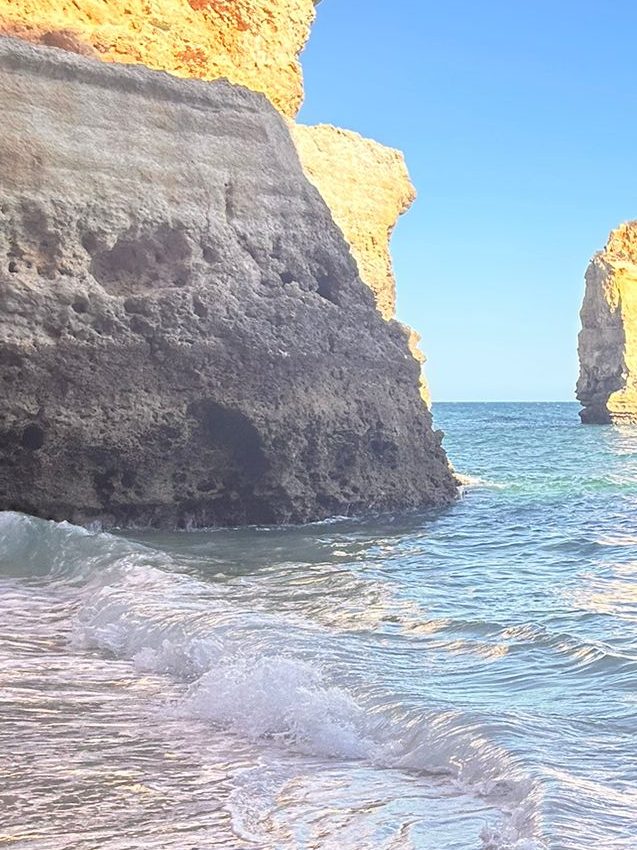
Often listed among the most beautiful beaches in the world, Praia da Marinha is a masterpiece of nature sculpted by wind, sea, and time. Located a short drive from Lagos, this beach is famous for its honey-colored cliffs, crystal-clear water, and iconic rock formations rising from the sea like ancient monuments.

Just a short distance from Praia da Marinha lies one of Portugal’s most jaw-dropping natural wonders—the Benagil Cave, also known as the Algar de Benagil.

This sea cave, carved into the limestone cliffs by centuries of wave action, features a circular skylight that beams sunlight down onto the sandy floor like a spotlight. Inside, the echo of waves and light filtering through the opening create an almost cathedral-like atmosphere.

You can’t access the cave directly from the beach—it’s too dangerous to swim unless conditions are perfect—so the best way to experience it is by boat tour, kayak, or stand-up paddleboard (SUP).

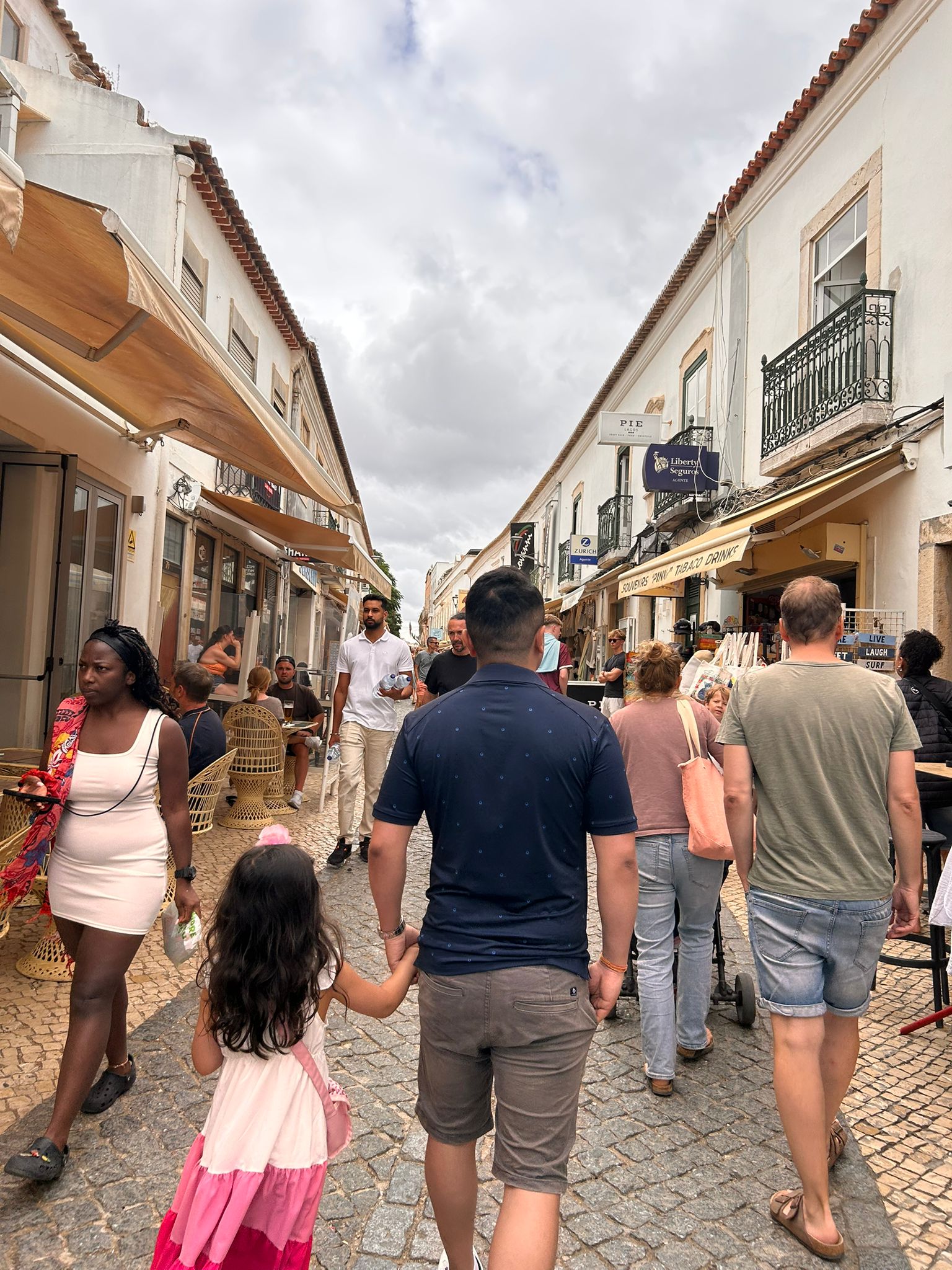
Back in Lagos, you’ll find cobbled streets filled with local restaurants, surf shops, street art, and lively music echoing from open-air bars. The town serves as the perfect base for beach-hopping adventures, seafood feasts, and relaxed evenings after a day out at sea.

Grid Resilience and the Spanish Blackout

We had just booked our tickets to Málaga for a sunny and warm family vacation when I was hit with the news of a blackout in Spain. As an engineer and researcher, I couldn’t help but wonder about its cause, so I gathered my thoughts based on a few hours of online research and the limited data available. So, thoughts and opinions are solely of the author and reflect a personal perspective.

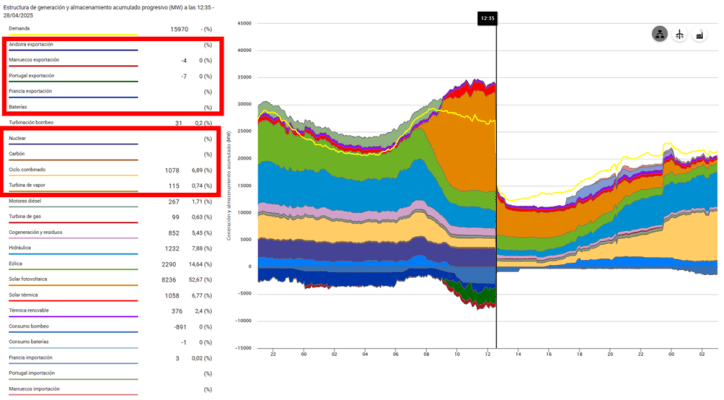
So, what exactly happened in Málaga, Spain on 28th April 2025?

Raw data @ Artjoms Obusevs

Frequency in the grid shows the balance between production and consumption. When the network maintains a consistent 50 hertz, it signifies that production and consumption are balanced. A drop in production power causes the frequency to decrease, while excess production power leads to an increase in frequency. Significant deviations in frequency can result in malfunctioning electrical equipment. In the Malaga region of Spain, the frequency experienced a sharp decline coinciding with the discontinuation of power exports to Morocco, Portugal, and France, as well as the disconnection of major nuclear and coal power plants. Due to limited data, the root cause of these events remains unclear.

The rule of thumb is that the larger the power plant system, the more stable the grid frequency.

During these series of events, inertial energy can be provided or stored through the spinning rotors in synchronous generators or condensers. Inverter Based Resources (IBR) can also provide artificial inertia by quickly injecting or absorbing power to help regulate the grid. IBRs, such as solar PV, wind turbines, and battery storage, lack rotating masses and therefore do not inherently provide inertia to slow frequency changes. However, they can provide active power quickly enough using stored energy to stabilize the grid. Most power converters connected to the grid are grid-following (GFL) converters based on phase-locked loop synchronization, meaning they provide fixed active power during these events unless explicitly programmed otherwise, and they lack inherent voltage and frequency capabilities. The most suitable solution is grid-forming (GFM) inverters, which emulate inertia using control algorithms like virtual synchronous generator control and adjust power to mimic the inertia of rotational masses. Spain has high share of renewables- above the global average- and notably, the share of renewables share remain high even after the faults, while large power plants were tripped. This unfortunate and unforeseen event offered a chance to investigate the cause and draw important lessons.

Hopefully, further details will be shared later regarding the causes of these events and the resulting historic blackouts. Grid resilience and inertia are complex and important topics, and valuable lessons should be learned to prevent similar unfortunate incidents in the future.

Inflation Reduction Act: What it means for EV and PHEV?

The Inflation Reduction Act, a bill turned into a law after it was signed by President Joe Biden on August 16, 2022. The law is designed to address climate change and partly focused on tax credit for Electric Vehicle including PHEV in the US.  The law introduces new rules that should be met to qualify as clean vehicle, and to be eligible for the EV tax credit. Basically, these rules aim to promote more battery and EV production in the US and balance job market during the ongoing transport electrification.

To qualify as a clean vehicle,

  • a vehicle must have a battery capacity of at least 7 kWh and should meet the percentage requirements for battery components produced or manufactured in North America for the fiscal year the EV was purchased,
  • should meet the percentage requirements for critical minerals extracted, processed and/or recycled in North America or a country the US has a free trade agreement with, for the fiscal year the EV was purchased,
  • should have a gross vehicle weight rating less than 6342 kg,
  • should be made by qualified manufacturer meaning, vehicles must be assembled in North America. In case the vehicles are assembled outside North America, it may qualify for the EV tax credit through commercial vehicle tax credit meaning, leased not purchased.

In addition, the vehicle’s manufacturer suggested retail price (MSRP) can’t exceed $80,000 for vans, sport utility and pickup trucks. For other vehicles the maximum limit is $55,000.

The law is being implemented, so tax credit qualifications continue to change and starting March 2023 further restrictions apply. As a result of this law, some vehicles that qualified for tax credits in 2022 may not qualify in 2023, creating uncertainties in EV & PHEV industry about the eligibility of the vehicle. However, one thing is for sure, if you are earning too much, for example, if your adjusted gross income for joint household is above $300000, your EV does not qualify for the tax credit.

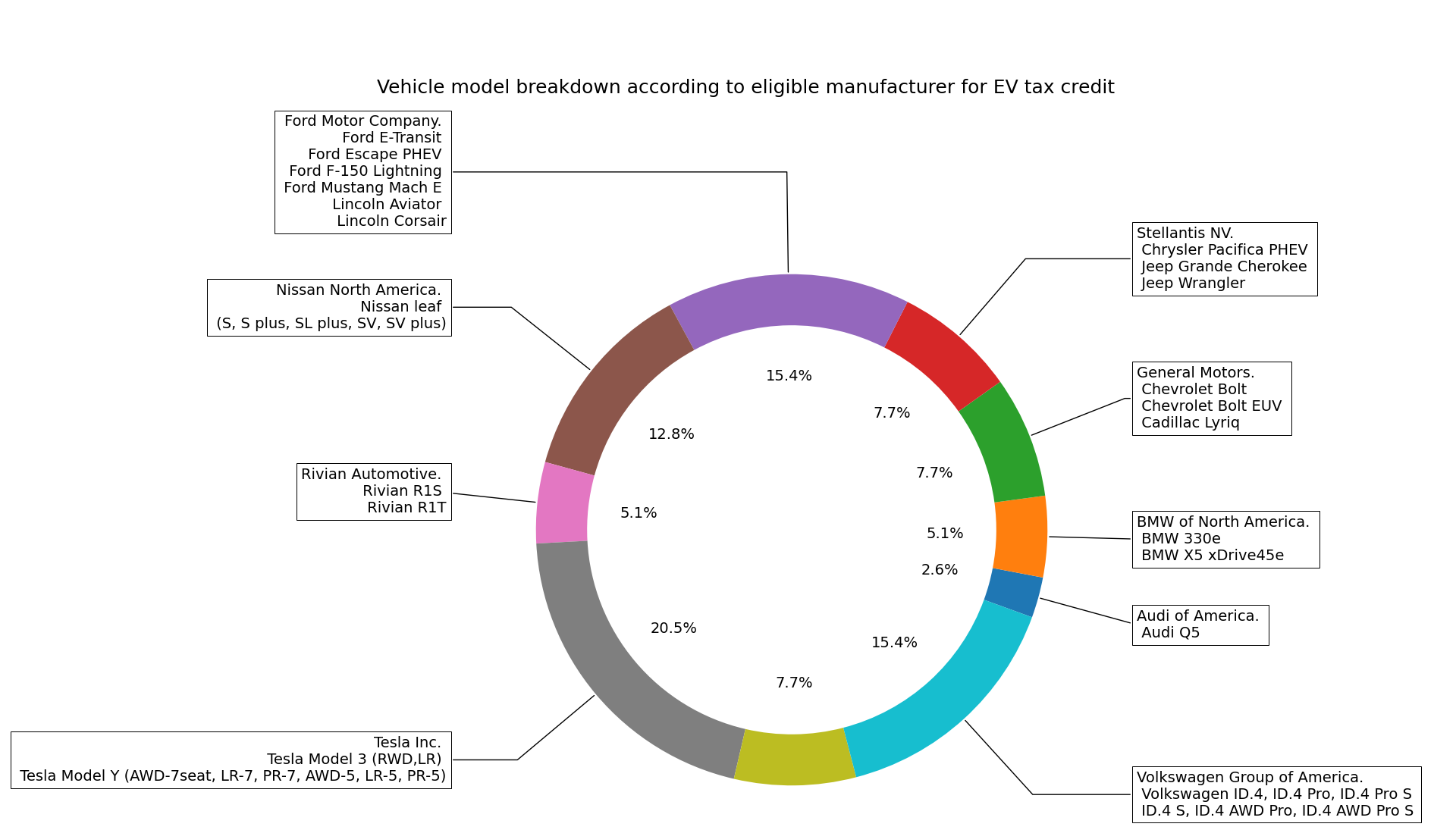
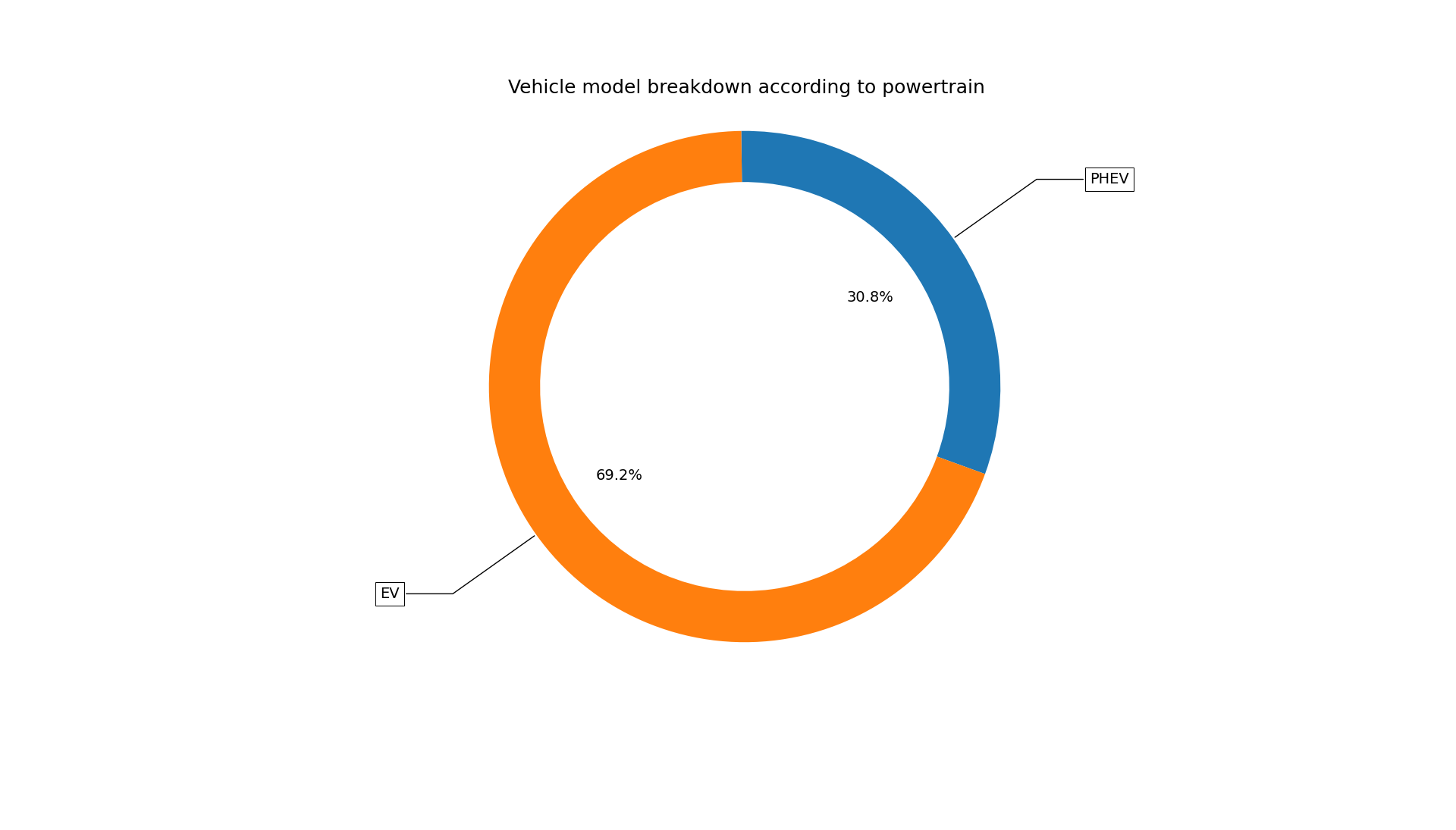
As of Jan 1, 2023, the list of eligible vehicles for tax credit is shown in Figure below.

It was a bit disappointing not to see some known electric car companies in the list, such as Lucid, Polestar and Toyota. However, the IRA has strengthened the US EV industry providing more benefits to American automakers and created competitive environment to grow. Now, it’s time to wait and watch how the market will adapt and react.

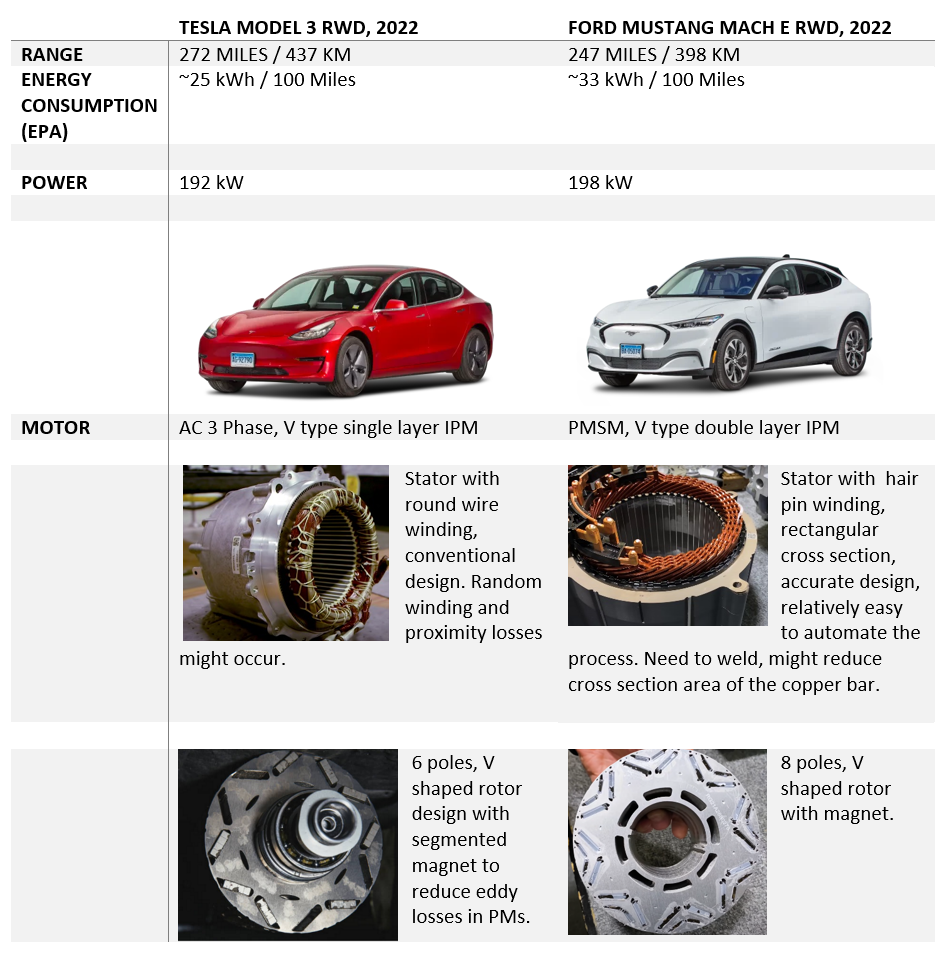
Comparing above eligible vehicles for EV tax credit, the most interesting, at least to me, is the one with similar range and power i.e. Ford Mustang Mach E RWD and Tesla Model 3 RWD. They both are full electric vehicle and falls under the category of <$55,000. Similar technologies, Ford Mustang with better power and Tesla Model 3 with better range. Food for thought!

Are WE ready for sustainable energy system of tomorrow?

The Paris climate agreement aims to limit global warming to 1.5 degree Celsius compared to pre-industrial levels. Leading the way, the EU has set an action plan aiming to reach net zero greenhouse gas emission in Europe by 2050. As a part of this European Green Deal, the commission has tabled the ‘Fit for 55’ package that aims at reducing greenhouse gas emissions by at least 55% by 2030 and, ultimately, climate neutrality by 2050. To achieve these ambitious targets, transport and industry sectors must be fully decarbonized. In addition, today’s power systems must be fully decarbonized and undergo major energy transition by including large share of renewable energy sources in the existing power system.

The strength and quality of the power system is maintained by keeping the correct frequency in the grid. When load is switched on, frequency falls and there is a need to increase power production to keep the power system in balance. If the frequency falls too much due to large disturbance or if there is not enough power production at the right time, then the electricity outage can occur (Texas and Queensland). That is why system inertia is important. Inertia is the ability of power system to oppose the changes in frequency due to resistance provided by kinetic energy of rotating mass connected to the system. The kinetic energy stored in the rotating mass buys the time to increase and decrease the active power, to adjust the frequency and to avoid any electricity outages.

New converter-based technologies are emerging and are being connected to the grid that lacks the inherit capability of system inertia. These converter technologies (Grid following and Grid forming) are usually equipped with important functionality of FFR (Fast Frequency Response). FFR is an important functionality that can react in 2 seconds or less to compensate for less inertia in the power system but requires detection, filtering, and measurement. FFR is not an inherent response and does not replace inertia. Nevertheless, grid forming converter can provide virtual inertia by emulating synchronous generator characteristics in grid integration. Grid forming converter is voltage source converter and has its own internal voltage phasor, like EMF of a synchronous generator, which drives its inertial response against the moving phasor of grid voltage. The internal voltage phasor of the grid forming converter is initially not affected by the perturbation, causing an almost instantaneous variation of the current phasor. This is highly attractive to system operators, however, depending upon the fault event, it might cause rapid growth of current, jeopardizing the converter hardware component. Therefore, optimal technology is needed to limit the fault current under fault condition with voltage control mode. Some of these technologies are ongoing research topics and are still to be tested on different real site conditions (Victoria Tesla battery).

The other aspect to the ongoing transformation of energy sector towards carbon free solutions is future fuel development work. The key to sustainable future fuel is hydrogen whether the fuel is synthetic methane or green ammonia. Sabatier process that produce synthetic methane through chemical reaction between carbon dioxide and hydrogen requires relatively high temperature and low pressure. Similarly, Haber-Bosch process converts atmospheric nitrogen to ammonia by reaction with hydrogen using a metal catalyst under high temperature and pressure. These processes require proper infrastructure and most importantly efficient production of hydrogen. Therefore, the foremost and essential aim towards carbon free solution is to decarbonize hydrogen production.

The feasible production of green hydrogen is only made possible by the rapid decline in the cost of renewable energy whereas the production of blue hydrogen is possible by accelerating carbon capture technology development and through innovations. Today, there are still some challenges and risks with green hydrogen. Even though the price of the electrolyser is going down, the cost of green hydrogen is not yet competitive.  The cost of fossil-based hydrogen is 1.5 euros/kg for the EU, blue hydrogen is 2 euros/kg and green hydrogen is 2.5-5.5 euros/kg (Q&A Hydrogen strategy).  Hydrogen is highly flammable gas and special care and safety standards are needed from production, transport, and storage to use. For example, hydrogen can be stored with 700 bar storage pressure but then requires huge modifications in the storage tanks.

The transport and energy industry are on a decarbonization journey. It is essential to bring down the cost of renewable electricity by including the large share of renewables but without compromising the strength and quality of today’s existing energy system. The synergy between robust and proven conventional technologies and emerging green technologies is the only key to enable sustainable and resilient energy systems of tomorrow. 

References

R. Rosso, X. Wang, M. Liserre, X. Lu and S. Engelken, “Grid-Forming Converters: Control Approaches, Grid-Synchronization, and Future Trends—A Review,” in IEEE Open Journal of Industry Applications, vol. 2, pp. 93-109, 2021, doi: 10.1109/OJIA.2021.3074028.

Eriksson, R., Modig, N. and Elkington, K. (2018), Synthetic inertia versus fast frequency response: a definition. IET Renewable Power Generation, 12: 507-514. https://doi.org/10.1049/iet-rpg.2017.0370

Rezkalla, M. M. N. (2018). Emulated Inertia and Frequency Support from Fast Acting Reserves. Technical University of Denmark, Department of Electrical Engineering.

The challenge of decarbonizing transport sector

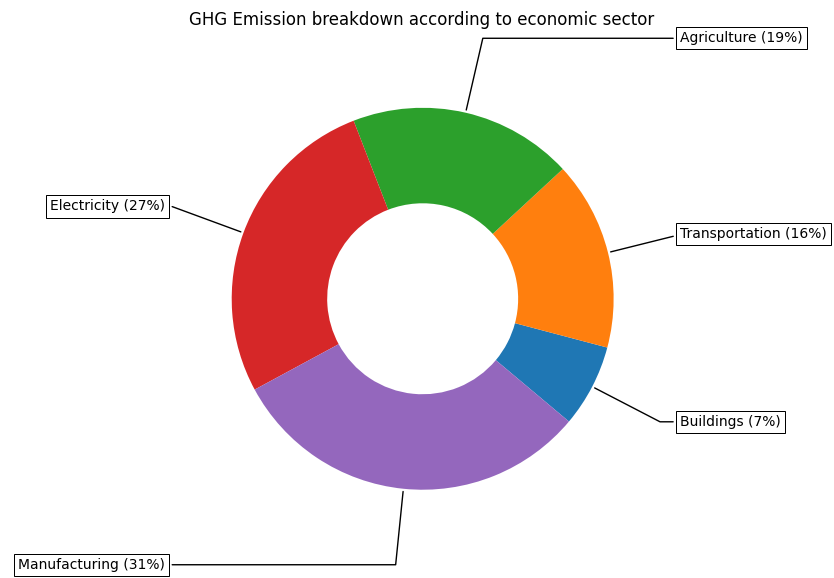
The ongoing talks of EU votes on complete ban of selling new ICE cars starting 2035, a deal that is yet to be final, did not come by surprise. Lots of car OEMs already have ambitious plan to phase out combustion engine. Looking at the global emission footprint, transportation accounts for 16% and electricity accounts for 27% of total GHG emissions.

Again, looking closer at the transportation and the electricity sectors, countries like China, USA and India are the major contributors of GHG emissions and they have their own ambitious plan to achieve net zero emissions goals but, only few decades later than Europe.

The fact that the European grid is getting more greener provides a greater motivation towards electrifying transportation. The ban of selling new ICE cars in Europe will have positive impact on climate and boost certain industries and reward the industries that are forerunners in electrification. Then, there is also a risk that might rapidly decelerate the research and innovation ongoing towards sustainable, renewable fuels and combustion engines. And, it seems combustion technology will still be around the world for couple of decades more.

Global Emission

Passenger cars account for the biggest share of GHG emission in terms of road transportation when compared to heavy duty buses, trucks, and other transportation. Even though, in terms of utilization, most of the time passenger car stands at the parking place. The alternatives such as bike lanes and environment friendly mass transport should be made more attractive and incentivized for public use. In addition, sustainable planning such as mobility as services , 15 min cities should be encouraged more to habituate people towards the sustainable society.  

The heavy-duty vehicles (On/Off road) are another important sector of transport. Heavy trucks, buses and mobile machinery work all day long in multiple shifts and their utilization rate is high compared to passenger cars. Heavy duty vehicles are larger, heavier and require much more range and time in the field. These fleets of machines are bread and butter for many, and emerging technology should be robust, cost efficient and easily acceptable.

There are still some challenges in decarbonizing the transport sector. Business, operational and cost-ownership models for (AC vs DC) charging infrastructure is still progressing, and the fast-charging stations are not yet readily available. Establishment of such infrastructures should be done intelligently and carefully. Impact of megawatt chargers on renewable grid due to lack of its inherent inertia is yet to be seen. Long duration energy storage are in dire need than ever and different battery chemistries are yet to be investigated for optimal cost and performance. Similarly, efficiently producing and transporting alternate fuels is still challenging and needs rapid research and development to meet the growing demand. The improvement in advanced after treatment system such as DPF and SCR is still progressing to comply with even stricter rules and regulations and to meet the narrower emission target levels.

During this energy transition phase, to speed up the decarbonization process and to mitigate the challenges, it is important to keep the synergy among policy makers, industry leaders, academics, researchers, and well-informed citizens globally.

Decarbonization is a journey and not a race, to do so, unprejudiced approach should be taken to move forward towards more sustainable and better world than today.

Welcome!

Hello everyone, welcome! This website is mainly for sharing my personal thoughts, opinions and experiences. I will be mainly writing about different topics that are of my interest. I am always eager to learn new things so there will be no specific topics. But, I think topics would revolve around electrical machines, energy, control and little bit of programming.  In addition to that I’ll be posting my travel diaries as well.

Stay tuned!