The ongoing talks of EU votes on complete ban of selling new ICE cars starting 2035, a deal that is yet to be final, did not come by surprise. Lots of car OEMs already have ambitious plan to phase out combustion engine. Looking at the global emission footprint, transportation accounts for 16% and electricity accounts for 27% of total GHG emissions.
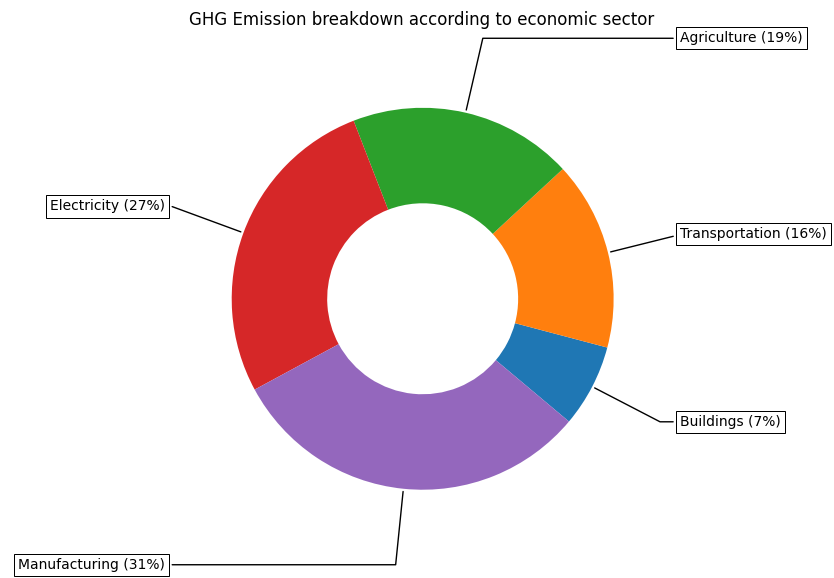
Again, looking closer at the transportation and the electricity sectors, countries like China, USA and India are the major contributors of GHG emissions and they have their own ambitious plan to achieve net zero emissions goals but, only few decades later than Europe.

The fact that the European grid is getting more greener provides a greater motivation towards electrifying transportation. The ban of selling new ICE cars in Europe will have positive impact on climate and boost certain industries and reward the industries that are forerunners in electrification. Then, there is also a risk that might rapidly decelerate the research and innovation ongoing towards sustainable, renewable fuels and combustion engines. And, it seems combustion technology will still be around the world for couple of decades more.

Passenger cars account for the biggest share of GHG emission in terms of road transportation when compared to heavy duty buses, trucks, and other transportation. Even though, in terms of utilization, most of the time passenger car stands at the parking place. The alternatives such as bike lanes and environment friendly mass transport should be made more attractive and incentivized for public use. In addition, sustainable planning such as mobility as services , 15 min cities should be encouraged more to habituate people towards the sustainable society.
The heavy-duty vehicles (On/Off road) are another important sector of transport. Heavy trucks, buses and mobile machinery work all day long in multiple shifts and their utilization rate is high compared to passenger cars. Heavy duty vehicles are larger, heavier and require much more range and time in the field. These fleets of machines are bread and butter for many, and emerging technology should be robust, cost efficient and easily acceptable.
There are still some challenges in decarbonizing the transport sector. Business, operational and cost-ownership models for (AC vs DC) charging infrastructure is still progressing, and the fast-charging stations are not yet readily available. Establishment of such infrastructures should be done intelligently and carefully. Impact of megawatt chargers on renewable grid due to lack of its inherent inertia is yet to be seen. Long duration energy storage are in dire need than ever and different battery chemistries are yet to be investigated for optimal cost and performance. Similarly, efficiently producing and transporting alternate fuels is still challenging and needs rapid research and development to meet the growing demand. The improvement in advanced after treatment system such as DPF and SCR is still progressing to comply with even stricter rules and regulations and to meet the narrower emission target levels.
During this energy transition phase, to speed up the decarbonization process and to mitigate the challenges, it is important to keep the synergy among policy makers, industry leaders, academics, researchers, and well-informed citizens globally.
Decarbonization is a journey and not a race, to do so, unprejudiced approach should be taken to move forward towards more sustainable and better world than today.
 Sahas Bikram Shah